Story at a glance:
- Hidden air leakage can quietly drive up energy costs and degrade indoor air quality—especially in multifamily housing.
- Programs like the Low-Income Housing Tax Credit increasingly tie funding to measurable building performance, pushing developers toward tighter envelopes and better ventilation.
- Technologies that seal building envelopes and duct systems help developers verify airtightness, improve indoor air quality, and reduce long-term operating costs.
Across the US the push to deliver healthier, more efficient buildings is reshaping how architects, developers, and housing agencies think about performance. For multifamily housing in particular—especially projects serving low- and middle-income residents—the stakes are high. Poor ventilation, hidden air leakage, and underperforming HVAC systems can quietly drive up energy costs, degrade indoor air quality, and create long-term maintenance burdens.
Those issues are often invisible during construction, yet they can shape the day-to-day experience of residents for years. Aeroseal has built its reputation around addressing that gap. Known for technologies that seal air leaks in building envelopes and ductwork, the company increasingly focuses its work on multifamily housing—where performance failures tend to hit hardest.
Lower-income families are disproportionately impacted by rising energy costs and air quality issues.
“At its core Aeroseal’s work is about solving a very practical problem: hidden air leakage in buildings,” Trisha Miller, vice president of policy and market development at Aeroseal, says. “Residents are increasingly concerned about high energy costs and poor indoor air quality. Hidden air leakage—whether through the building envelope or ductwork—is one of the biggest contributors.”
For affordable housing residents those performance gaps can carry real consequences. “Lower-income families are disproportionately impacted by rising energy costs and air quality issues,” Miller says.
That reality is helping shape how developers, policymakers, and housing agencies approach building performance. Programs like the Low-Income Housing Tax Credit (LIHTC) increasingly tie funding to measurable energy and green building standards, pushing projects to meet higher expectations for efficiency and resilience.
And as states refine the energy and sustainability requirements embedded in LIHTC Qualified Allocation Plans, airtightness and ventilation performance are becoming critical benchmarks for new multifamily housing.
“LIHTC programs recognize that building performance is directly tied to housing affordability and resident health,” Miller says. “The energy and green building criteria in state LIHTC awards help ensure projects achieve high-performance building goals and energy-efficient design.”
By working with housing agencies and development partners across multiple states, Miller says Aeroseal is helping projects meet those targets.
Larger Systems
Few people working at the intersection of building performance, housing policy, and climate resilience bring the breadth of experience that Miller does.
Before joining Aeroseal she built a career spanning federal policy, affordable housing finance, and clean energy investment. Most recently she served as CEO of DC Green Bank. Earlier roles included senior leadership positions within the White House Domestic Climate Policy Office, HUD, Breakthrough Energy Ventures, and Enterprise Community Partners.
Across those roles Miller has consistently worked where housing equity, energy efficiency, and public health converge—an overlap that continues to inform how she approaches building performance today. “My background in policy and urban planning has really shaped how I think about homes and buildings—not just as structures but as part of larger systems that affect people’s lives,” she says.
Housing affordability, public health, and climate resilience are deeply interconnected.
That systems-level view is especially relevant in the affordable housing sector, where issues like energy costs, indoor air quality, and climate resilience often blur. “Housing affordability, public health, and climate resilience are deeply interconnected,” she says. “And it is often the people who can afford it least who are affected the most.”
For Miller the goal is to advance solutions that operate at both levels. “I focus on solutions that improve individual homes while supporting broader housing and climate goals.”
Building performance ultimately comes down to airflow—how it enters, moves through, and exits a building. “Healthy buildings start with control of air,” she says. “When that control breaks down the consequences can ripple throughout the structure. Leaks in the building envelope or ductwork allow outdoor pollutants, moisture, and unfiltered air to infiltrate walls and ceilings, while conditioned air escapes, forcing HVAC systems to work harder and undermining indoor air quality.”
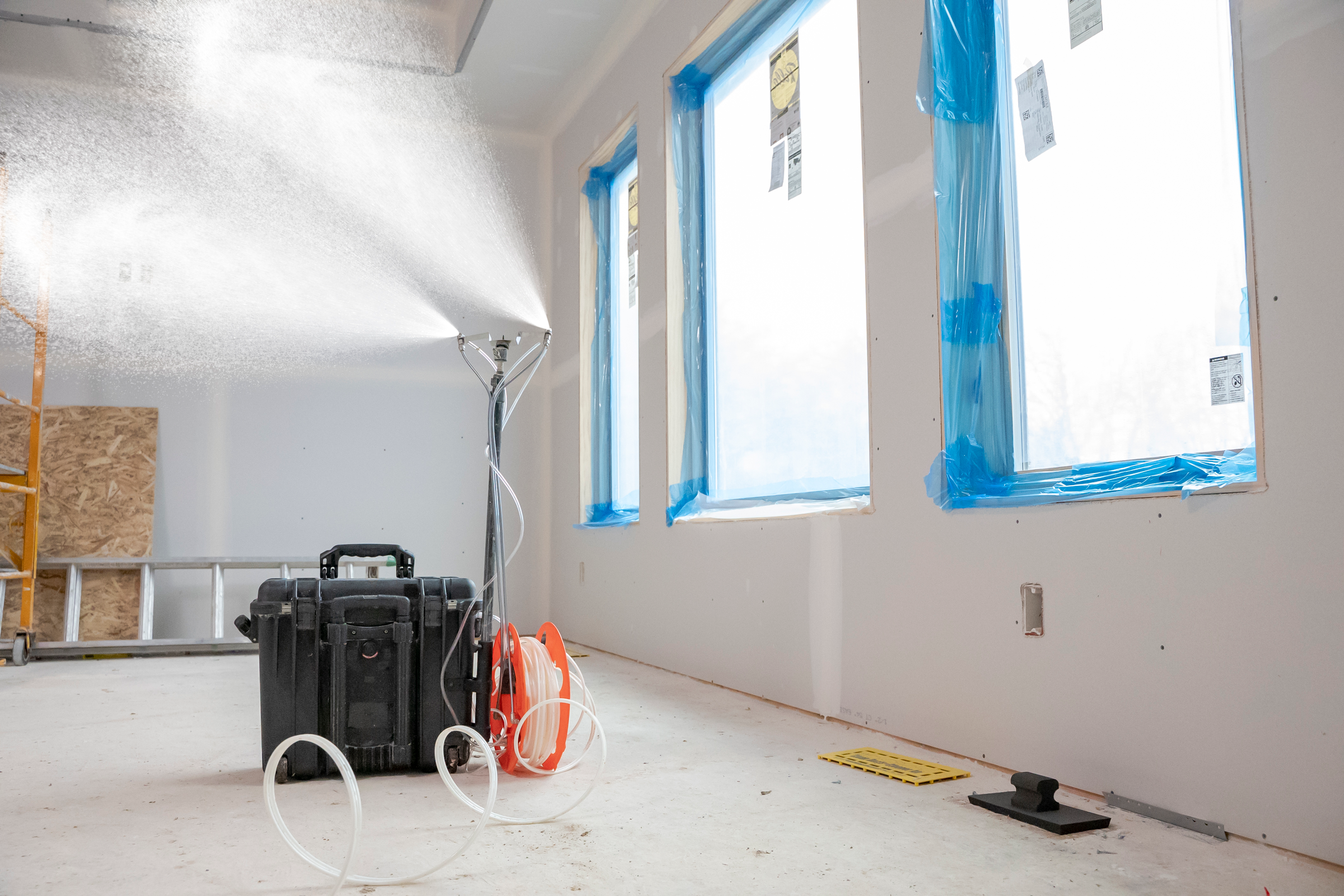
Aeroseal technologies like AeroBarrier and Aeroseal for ductwork address those gaps by sealing leaks in both the building envelope and duct systems during construction or renovation, creating a more controlled indoor environment. “By tightening the envelope with AeroBarrier and sealing ducts with Aeroseal you’re creating a more controlled environment,” she says.
That control allows ventilation systems to operate as intended—and when airflow is managed correctly the benefits extend beyond energy performance, she says. “When buildings manage airflow correctly we see both air quality improve and a reduction in energy waste and long-term operating costs.”
Productive Shift
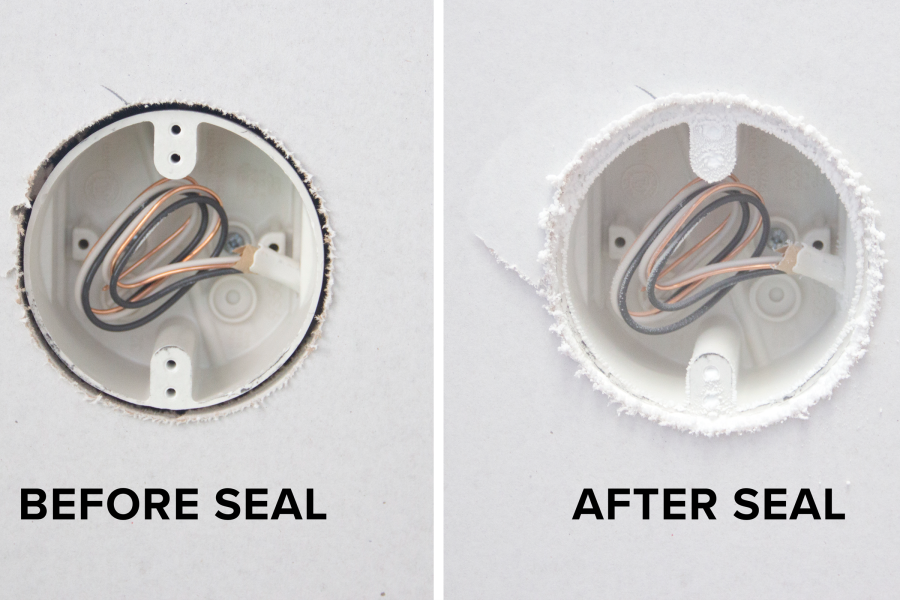
Leaks in the building envelope or ductwork allow outdoor pollutants, moisture, and unfiltered air to infiltrate walls and ceilings, while conditioned air escapes, forcing HVAC systems to work harder and undermining indoor air quality. Image courtesy of Aeroseal
Miller says the growing focus on building performance reflects a broader shift happening across the housing and policy landscape. “What’s important is that policymakers are recognizing that health, affordability, and building durability and resilience are interrelated,” she says.
Air leakage sits at the center of that conversation. When buildings leak air the consequences go beyond wasted energy, she says. Moisture risks increase, indoor air quality can deteriorate, and building systems struggle to perform as designed. As a result housing programs and building codes are beginning to take a more comprehensive view of performance—one that considers energy use, durability, ventilation, and resident health together.
Miller says that shift is especially important in multifamily housing, where ventilation challenges can quickly multiply. “Multifamily buildings are complex systems. You have multiple units, shared mechanical systems, and many more pathways for air movement.”
Aeroseal technologies like AeroBarrier and Aeroseal for ductwork address gaps by sealing leaks in both the building envelope and duct systems during construction or renovation, creating a more controlled indoor environment.
The result is a range of common problems—poorly ventilated kitchens and bathrooms, air leakage between units that carries smoke or odors into neighboring apartments, ventilation systems that struggle to deliver consistent fresh air in leaky buildings, and uneven temperatures between rooms, units, or floors.
Yet even as building science advances, misconceptions about airtight buildings remain surprisingly common. “One of the biggest misconceptions is that airtight homes and buildings are unhealthy or ‘can’t breathe,’” Miller says.
In practice, she says tighter construction allows ventilation to work more effectively—not less. “A tighter building allows you to control ventilation intentionally, bringing in filtered fresh air where it’s needed rather than relying on uncontrolled leaks. That leads to better energy efficiency and indoor air quality—and more comfortable homes.”
Achieving Balance
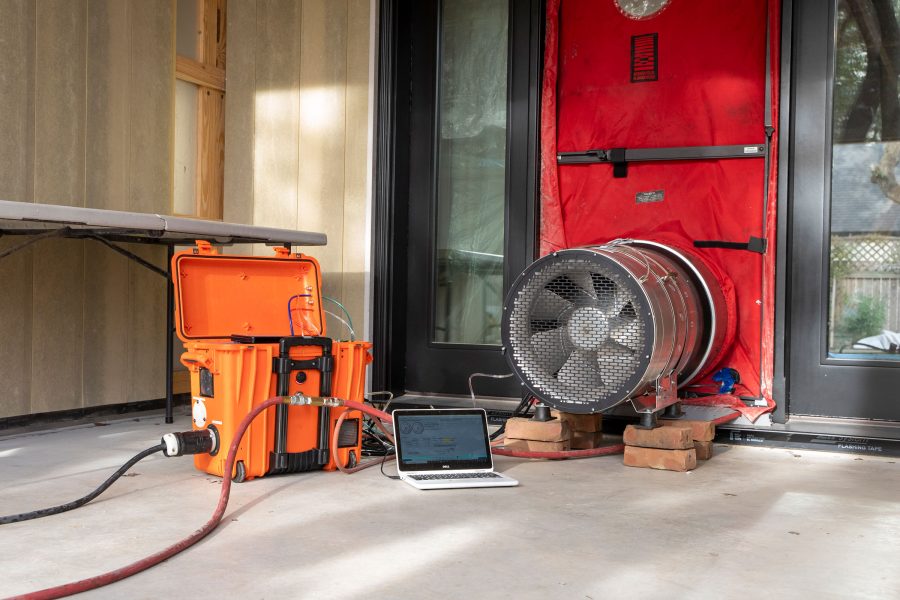
Hidden air leakage can quietly drive up energy costs and degrade indoor air quality—especially in multifamily housing. Photo courtesy of AerosealPhoto courtesy of Aeroseal
Miller says a distinct advantage of Aeroseal’s approach is predictability. Traditionally air leakage in duct systems or building envelopes isn’t discovered until late in the construction process—often after walls and ceilings are finished and a project fails a blower door or test-and-balance inspection. “Aeroseal technologies take the risk out of this process through real-time measurement and verification,” she says. “Before, during, and after sealing we measure leakage and show exactly how much it has been reduced.”
She says transparency gives project teams something especially valuable in multifamily housing—certainty. “Instead of hoping the building will meet its targets as planned, developers, engineers, contractors, and housing agencies can verify it at the point of service.”
As cities and communities grapple with the dual pressures of housing affordability and climate resilience, those principles are becoming increasingly important to how multifamily housing is designed and delivered.
Innovations like AeroBarrier and Aeroseal help developers achieve that balance, Miller says. “They make it easier to deliver consistent, predictable building performance in a cost-effective and scalable way.”
Ultimately, she says the goal remains straightforward. “To build housing that is affordable to construct and operate, will stand the tests of extreme weather and climate, and is healthy for the people who live there.”