Story at a glance:
- An integrated below-grade strategy supports durable buildings and the redevelopment of contaminated land.
- By addressing contaminated groundwater and vapor intrusion together, teams can help protect indoor environments and preserve structural durability.
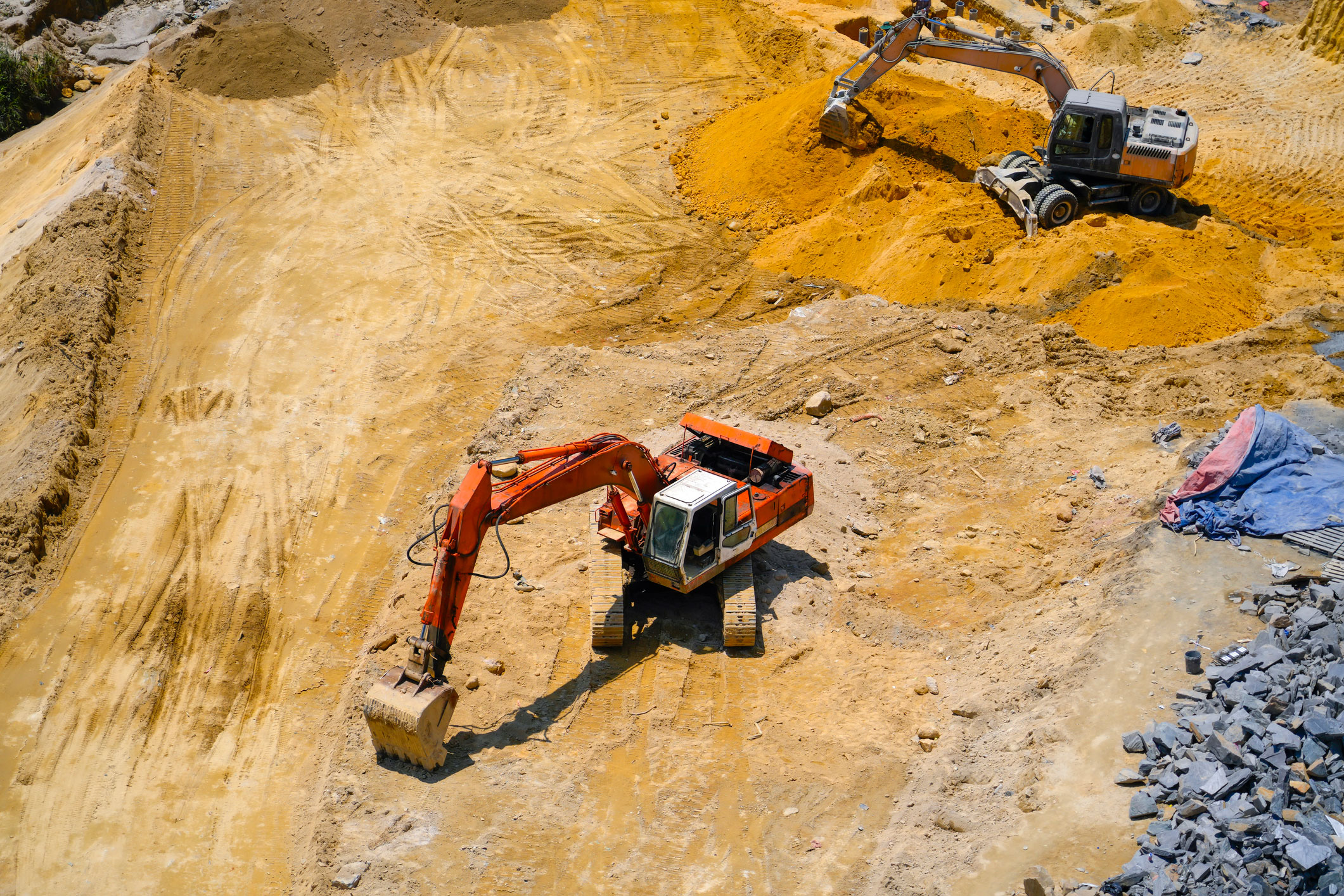
A former industrial property can become housing, a workplace, or a new community destination. For architects and developers that transformation offers an opportunity to put previously used land back to work. But a new building does not erase the conditions beneath it. Protecting its foundation and indoor environment requires a strategy that accounts for the site’s history as well as its future use.
On brownfield sites that means considering how both water and contaminant vapors can reach a structure. A membrane selected only for vapor resistance may leave an important exposure pathway unaddressed if contaminated groundwater enters the building. A waterproofing system, meanwhile, must have the chemical and gas resistance needed for the specific site.
An integrated approach connects environmental assessment with below-grade design, helping project teams manage these risks together from the start.
Understand What Remains Below the Surface
Brownfield redevelopment begins with understanding the contamination that may complicate reuse. Former manufacturing facilities, fuel-related properties, and other industrial or commercial sites can present very different conditions. The contaminants, their concentrations, and their location all influence the remediation and building protection strategy.
Even after cleanup some projects require measures to manage residual contamination. Volatile organic compounds, or VOCs, in soil or groundwater can produce vapors that migrate into buildings through foundation cracks and openings around utility penetrations. Chlorinated solvents like trichloroethylene (TCE) and tetrachloroethylene (PCE) are among the contaminants that may require attention. Methane presents a separate gas mitigation concern where site conditions warrant it.
Environmental consultants and geotechnical engineers establish the conditions that the design must address. Architects, structural engineers, and waterproofing specialists can then coordinate a protection strategy suited to the foundation, anticipated groundwater exposure, and intended occupancy.
Address the Water Pathway Alongside Vapor
Vapor intrusion deserves careful attention, but contaminants do not move through vapor alone. Groundwater can carry dissolved contaminants toward a building. If that water passes through a foundation opening or an incomplete waterproofing detail, it can bring contamination with it.
The design question therefore extends beyond whether a membrane resists gas diffusion. Can the specified system also withstand groundwater pressure, maintain its integrity in the contaminants present, and keep water from moving behind the membrane?
This is where waterproofing and contaminant mitigation intersect. A system designed for both exposures helps protect below-grade spaces while limiting routes for contaminant entry. It also supports the durability of the foundation by separating concrete from aggressive groundwater and soils.
Product selection should follow the environmental findings. A membrane’s ability to control moisture does not automatically establish its suitability for every VOC, concentration, or methane mitigation requirement.
Match the Solution to the Foundation
Different construction methods call for different approaches to maintaining a continuous barrier. Under slabs and along blindside walls, the membrane must be installed before concrete placement. Where the exterior foundation remains accessible, a post-applied membrane may be appropriate. Shotcrete walls introduce another set of installation and detailing demands.
For cast-in-place construction GCP’s PREPRUFE Plus pre-applied waterproofing membrane bonds to the concrete poured against them. That bond helps prevent water from migrating laterally between the membrane and the structure. The system combines waterproofing with resistance to specified gases and VOCs, including TCE and PCE, making it an option for projects that need to address both pathways.
Shotcrete construction requires a system that accommodates the wall placement process. GCP’s PREPRUFE SCS Plus combines a composite membrane with post-injected hydrophilic grout. The grout forms a continuous layer that adheres to the shotcrete and fills voids and rebar shadows, helping stop lateral water migration. The membrane also provides resistance to specified contaminant vapors and methane.
For accessible below-grade surfaces, GCP’s BITUTHENE post-applied systems provide another route to coordinated protection. Selecting the appropriate membrane within the product family matters. For example, BITUTHENE 8000 combines waterproofing with documented resistance to gases and VOCs, including TCE and PCE. Project-specific chemical exposure and installation conditions should guide that selection.
Where methane mitigation requirements apply, teams should confirm the relevant product approvals and the complete system design. A membrane is one component of the project’s environmental protection strategy, which may also include venting, monitoring, or other controls.
Design Continuity at the Details
Material performance alone cannot compensate for an incomplete installation. Slab-to-wall transitions, construction joints, utility penetrations, and terminations must preserve the protection established across the main membrane surface.
On a brownfield project these details need to support both waterproofing and the intended contaminant barrier. Coordinating compatible membranes and accessories early helps teams avoid gaps where different foundation assemblies meet. Installation sequencing and inspection are equally important, particularly before concrete placement or backfilling conceals the work.
Manufacturer technical specialists can help interpret product performance data against the conditions identified by the environmental team, recommend compatible components, and resolve difficult transitions. GCP’s technical services support this process through project-specific systems and detailing guidance.
Evaluate Performance Beyond the Initial Test
A foundation protection system will face conditions that extend well beyond a short laboratory test. Designers should consider resistance to hydrostatic pressure and chemical exposure, the integrity of seams, and the durability of the installed bond alongside vapor transmission results.
GCP’s PREPRUFE 300R Plus data demonstrate sustained waterproofing performance after 74 months of continuous water immersion, even with a deliberate breach introduced. Independent, KIWA-supervised testing recorded no leaks or lateral water migration at any test interval from 1 to 74 months, with a full, continuous bond to concrete maintained throughout. Alongside adhesion testing following exposure to TCE, PCE, and other chemicals, these results help teams evaluate durability under conditions relevant to brownfield projects.
Field experience also matters, especially when it reflects comparable foundation types and site conditions. The goal is to select a system supported by relevant testing and an installation approach the project team can execute reliably.
Build for the Next Use of the Land
Successful brownfield redevelopment depends on carrying the environmental strategy through to the building itself. Remediation, foundation design, and below-grade protection work best when they are coordinated early and evaluated against the same site conditions.
By addressing contaminated groundwater and vapor intrusion together, project teams can help protect indoor environments and preserve structural durability. That protection supports the broader promise of brownfield redevelopment: giving previously used land a productive future with buildings designed for the conditions beneath them.