Story at a glance:
- High-end finishes, custom design elements, and elaborate landscaping can inflate budgets far more dramatically than energy-efficient systems or green building materials.
- High-performance glazing, advanced HVAC systems, onsite renewable energy, and water reuse technologies require initial investment, but often pay for themselves and then some over the life of the building.
In the world of commercial real estate, a persistent myth has long haunted developers and investors: the idea that green building strategies, particularly LEED certification, significantly inflate construction costs. But as we dig deeper into the realities of modern sustainable construction, a different picture emerges—one that challenges this outdated notion and reveals a more nuanced truth about the economics of green building.
What Really Drives Building Costs
When we peel back the layers of construction budgets, we find that LEED certification is far from the cost boogeyman it’s often made out to be. In fact, a myriad of factors has far greater influence over a project’s bottom line than the pursuit of LEED.
“Location, location, location” isn’t just a real estate mantra; it’s a major cost driver. Urban projects grapple with limited space and logistical nightmares, while remote sites may lack basic infrastructure. Both scenarios can send budgets soaring before implementing a sustainable design strategy.
Regulatory compliance is another hidden cost center. Local building codes, permitting processes, and inspection requirements vary widely, each adding its own layer of complexity and expense. Climate-specific mandates for insulation, weatherproofing, and ventilation can require pricier materials and more detailed construction techniques.
The ground beneath our feet plays a crucial role, too. Challenging topography or poor soil conditions demand specialized engineering solutions and foundations that can quickly outpace any premium associated with sustainability features.
The Scale and Scope Effect
Size matters in construction, and not always in the ways you might expect. Larger or taller structures require more robust foundations and advanced safety systems, driving costs upward.
But it’s not just about square footage. The intended use and occupancy levels of a building significantly impact material choices, labor requirements, and project timelines.
Aesthetic considerations also pack a powerful financial punch. High-end finishes, custom design elements, and elaborate landscaping can inflate budgets far more dramatically than energy-efficient systems or green building materials.
The LEED Premium: Myth vs. Reality
So where does LEED certification fit into this complex cost equation? While pursuing LEED involves additional documentation and design considerations, the actual impact on overall project costs is often far less than perceived.
Yes, certain sustainable strategies do come with upfront costs. High-performance glazing, advanced HVAC systems, onsite renewable energy, and water reuse technologies require initial investment. But here’s the kicker: These elements often pay for themselves—and then some—over the life of the building.
Energy and water savings translate directly to lower utility bills, creating a tangible return on investment. Moreover, many jurisdictions offer incentives for green building practices, further offsetting initial costs.
The Non-Linear Nature of LEED Levels
Interestingly, the relationship between LEED certification levels and cost isn’t always straightforward. A project might achieve a higher rating with minimal additional investment if sustainable features are thoughtfully integrated from the start. Conversely, aiming for a lower rating doesn’t necessarily translate to significant savings, as baseline certification requirements already ensure a substantial level of sustainability.
Nutrabolt Headquarters: Elevating Sustainability Goals
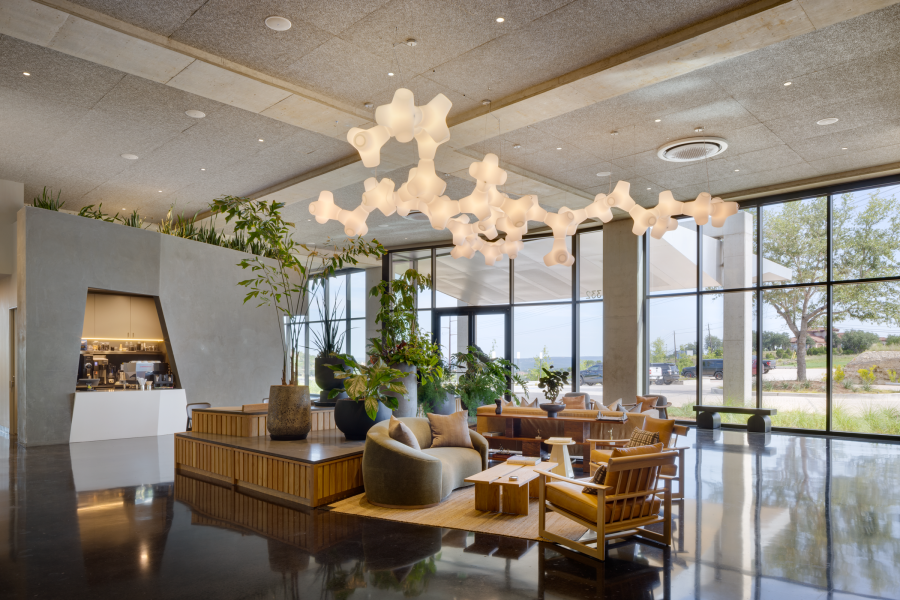
Photo by Rafael Gamo, courtesy of The Beck Group
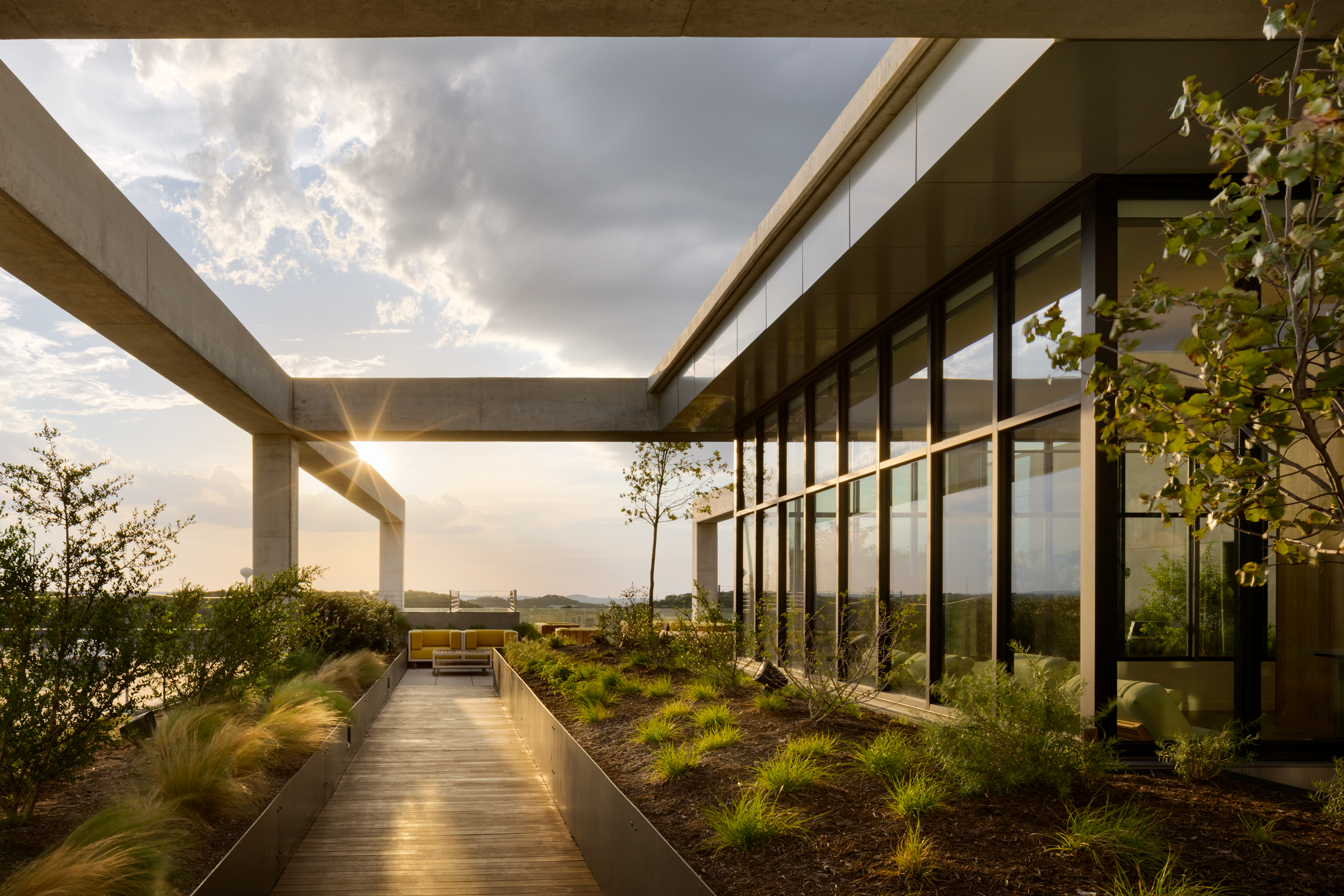
The Nutrabolt Headquarters in Austin, Texas, is a standout example of how strategic planning and an integrated approach can elevate a project’s sustainability without significantly impacting the bottom line. Initially targeting LEED Silver, the project team’s innovative thinking and commitment to sustainability propelled them to reach for—and attain—LEED Gold.
Nutrabolt, a sports nutrition company, wanted its new headquarters to reflect its commitment to health and wellness. The 77,000-square-foot office building was designed with sustainability at its core, incorporating a range of green features from the outset. These included energy-efficient HVAC systems, water-saving fixtures, and carefully selected sustainable materials.
As the project progressed the team realized they were within striking distance of LEED Gold. By fine-tuning their approach and making strategic adjustments they accumulated the additional points needed for the higher certification level.
Enhanced efforts in waste hauling, green building material selection, and whole-building life cycle assessment secured the higher certification. This success story demonstrated that with careful planning and a holistic approach to sustainability, it’s possible to exceed initial green building goals without incurring prohibitive costs. It highlights the value of setting ambitious targets and the potential for optimizing sustainability efforts within existing budget constraints.
The Green Building Advantage
While the cost impact of LEED certification may be overstated, its benefits are anything but. Green buildings boast higher occupancy rates and command rental premiums that increase with each level of certification. According to the AIA, LEED-certified buildings enjoy a 4.1% higher occupancy rate. They can also fetch sales prices up to 16% higher than their conventional counterparts.
The appeal goes beyond mere economics. Tenants are increasingly drawn to spaces prioritizing health, wellness, and environmental responsibility. Improved indoor air quality, abundant natural light, and nontoxic materials create environments that boost cognitive function, reduce stress, and decrease absenteeism. Savvy companies recognize these factors as crucial for attracting and retaining top talent.
A New Perspective on Green Building Economics
As we navigate the complexities of construction, it’s clear that the perceived financial burden of LEED certification is largely a myth. With strategic planning and an integrated approach, projects can often achieve impressive sustainability credentials with minimal additional costs.
The real story of green building economics is one of long-term value creation. By focusing on life cycle costs rather than upfront expenses, developers and investors can reap the benefits of increased marketability, higher occupancy rates, and premium rents while contributing to a more sustainable built environment.
Ultimately, the question isn’t whether we can afford to build green, but rather: Can we afford not to?