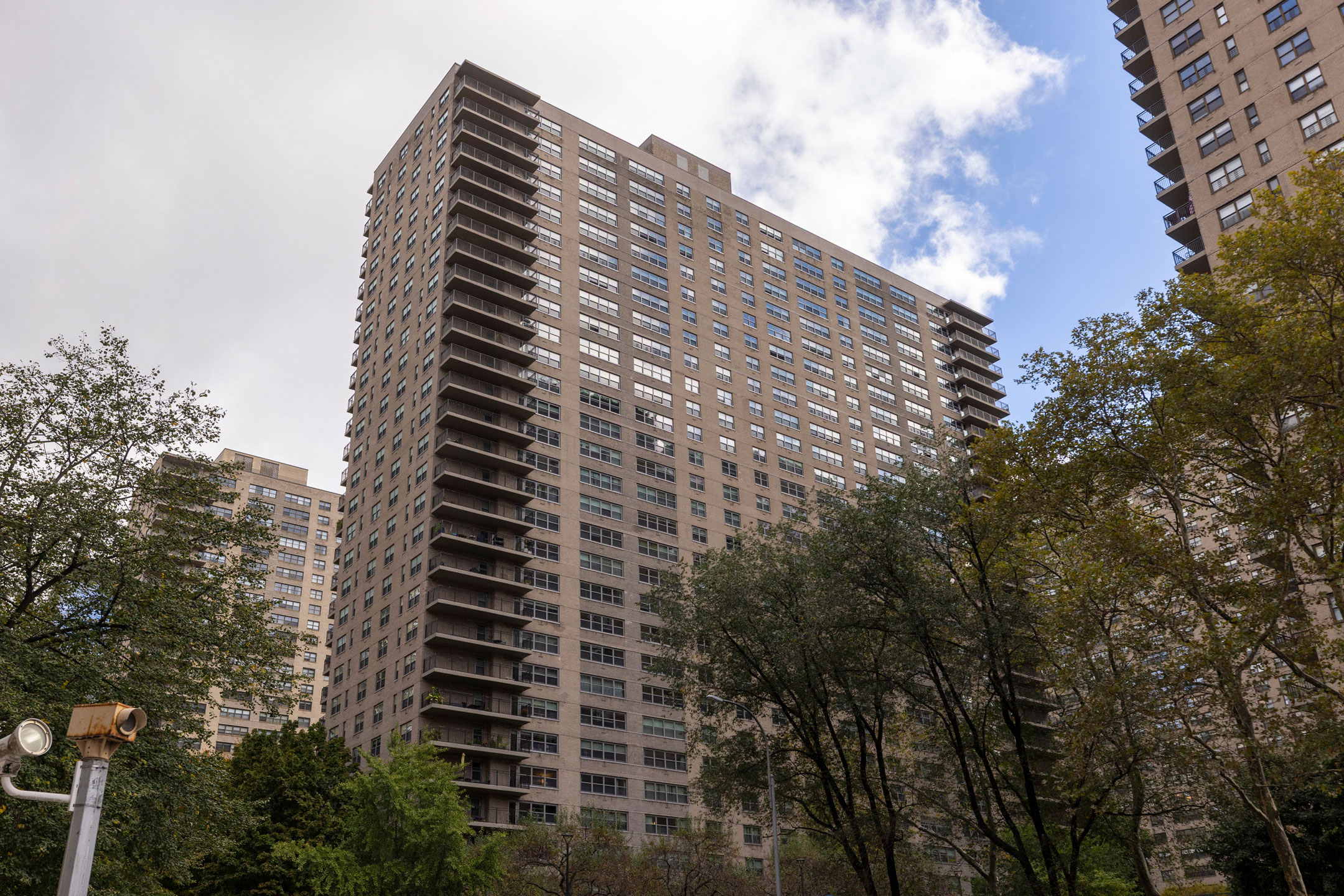
Story at a glance:
- Healthy building standards are shifting beyond design intent toward measurable performance that verifies whether clean air actually reaches occupants.
- Hidden air leakage can undermine ventilation and filtration, compromising indoor air quality while wasting energy used to condition and move air.
- As healthy air gains greater attention, building standards, policies, and performance strategies are increasingly connecting occupant health with energy efficiency and long-term building performance.
For years conversations about building performance have largely centered on energy—how much a building consumes, where it loses efficiency, and how effectively its systems operate. Increasingly, however, performance is being measured by something more personal: what people breathe once they step inside.
Indoor air quality (IAQ) is hardly a new concern, but expectations surrounding it are changing. Architects, engineers, building owners, policymakers, and standards organizations are looking more closely at what constitutes healthy indoor air, how buildings consistently deliver it, and, critically, how that performance can be measured and verified once a building is occupied.
“We’ve been talking about indoor air quality for decades, but I think what has changed is the level of awareness and expectation around it,” says Marwa Zaatari, vice president of building solutions at Aeroseal, chief engineer at Poppy, and chair of ASHRAE Standard 62.1 and Center of Excellence for IEQ. “I think the next generation of building standards is going to move from prescriptive approaches, or prescriptive intent, toward more verified performance.”
Such a distinction redirects the fundamental question from what a project specifies to what the finished building actually delivers. Ventilation may be designed to provide a certain amount of healthy air, for example, but that matters little if the intended airflow never reaches occupants.
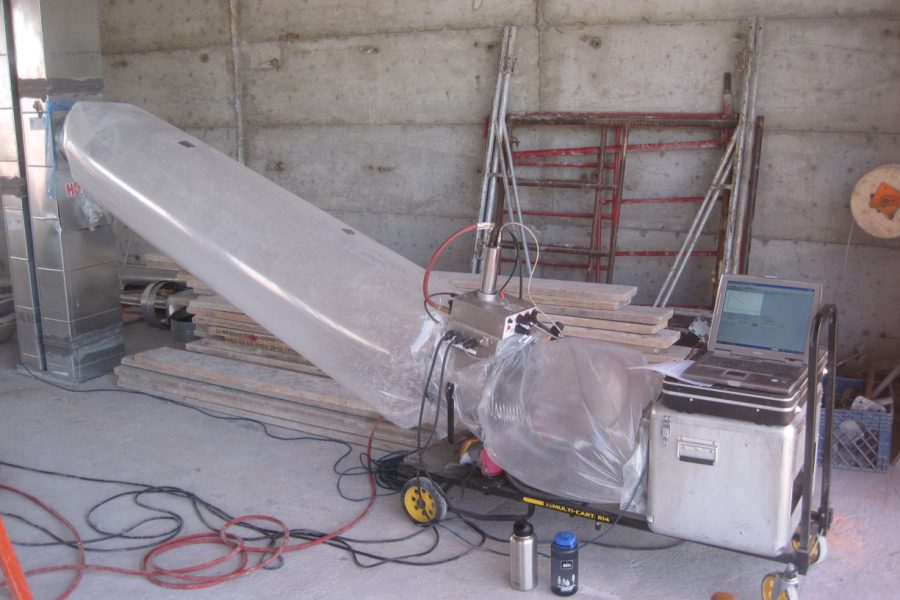
Zaatari points to Aeroseal data from more than 25,000 commercial supply systems in more than 10,000 existing buildings across multiple countries. “The majority of those systems leaked at least 7% of their design airflow, and most did not comply with applicable code requirements,” she says.
To that end, Zaatari calls duct leakage “the elephant in the ceiling”—a performance problem that can remain largely invisible because whole distribution systems are rarely measured. “We know what to do, but we rarely measure or think about the whole distribution system.”
As a result, implications extend beyond everyday indoor air quality. Wildfire smoke, infectious disease, extreme heat, and other recurring threats are putting greater emphasis on a building’s ability to control where air comes from, where it travels, how it’s filtered and ventilated, and whether it ultimately reaches occupants. “It’s extremely important these days for a building to control the air,” Zaatari says. “Long story short, I think it’s vital that we take a performance-based approach and incorporate verification—including within existing buildings.”
Target Destination
The need for verified performance is becoming more consequential as indoor air quality assumes a larger role in the healthy building movement. “Indoor air is kind of like the front door to the healthy buildings agenda,” says Jason Hartke, executive vice president of advocacy and policy at the International WELL Building Institute. “Once you understand the air you breathe, it opens the door to everything else.”
What has changed, particularly since the pandemic, Hartke says, is the level of attention surrounding indoor health—and an expanding focus beyond protecting occupants from harm toward actively promoting their health. “Research links improved indoor air quality with organizational performance, giving owners and employers another reason to treat healthy air as an investment rather than simply a building requirement,” he says. “Those benefits on the health side have a very direct economic impact that is driving a lot of what we’re seeing across the market.”
Nevertheless, delivering those health benefits ultimately depends on what happens between the HVAC system and the people inside the building. With people spending more than 90% of their time indoors, Zaatari says standards and codes increasingly have to balance healthy buildings with energy efficiency and decarbonization.
Ventilation, filtration, and air cleaning all provide tools for reducing occupant exposure to contaminants, but their effectiveness rests on a more fundamental question. “The clean air that we design and calculate over multiple pages and multiple Excel sheets—is it actually reaching the person?”
Zaatari says supply air combines outdoor and filtered air intended to reach occupants at specific levels. “But when ductwork leaks, some of that air can be lost before reaching the breathing zone,” she says. “Leakage on the return side can introduce contaminants back into the system, while disrupted airflow can also affect building pressure and contribute to odor, discomfort, and operational problems.”
There is an energy penalty as well. Fans still move the air, and buildings may still expend energy cooling, heating, or dehumidifying it—even when that conditioned air fails to reach its intended destination. “So you’re paying for something that’s not actually doing the useful work,” Zaatari says. “For this reason air sealing, while perhaps not as appealing or glamorous as other new technologies, is extremely important.”
Bridging the Gap
The growing focus on healthy air is also beginning to influence policy. Proposals addressing indoor air quality have increased substantially at the federal, state, and local levels. “Policymaker interest in IAQ matches what we’re seeing in the public zeitgeist,” Hartke says. “They know this is a big issue, and they’re trying to channel that interest into policy solutions.”
For Hartke, advancing healthy buildings requires movement from both ends of the market. “Programs like the WELL Building Standard can push the ceiling—establishing higher performance thresholds and demonstrating what leading organizations can achieve,” he says. “Additionally, standards such as those developed by ASHRAE can simultaneously ‘raise the floor,’ bringing stronger expectations to a much broader share of buildings. But you need both.”
Hartke points to decades of financial incentives for energy efficiency as a potential model for accelerating investment in healthier indoor environments. “We need to make sure policy looks at driving those incentives,” he says. “Fortunately there are great synergies between organizations helping companies achieve energy efficiency as well as higher indoor air quality.”
Raising that floor, however, means looking beyond how a building performs on opening day, and extending healthy building expectations throughout its life. “You can’t just design and forget,” Zaatari says. “The recommendations for a healthy building need to be flexible, event-driven, performance-based, and measurable.”
This represents a significant gap. Buildings face extensive requirements before receiving a certificate of occupancy, but ongoing verification of ventilation and indoor air quality is far less consistent. “Standards may prescribe periodic operation and maintenance procedures, but without meaningful enforcement, intended performance can erode over time,” Zaatari says. “The result brings the conversation back to a fundamental measure of healthy air: whether the clean air a system is designed to provide actually reaches occupants.”
In public health, she says they call that the “dosing failure.” “The prescription was right, but the patient never received the dose,” she says. Closing that gap does not have to put health and energy efficiency in competition. In fact, Zaatari sees some of the greatest opportunities in strategies that improve both.
“Air sealing, for example, can reduce fan energy and heating and cooling losses while helping ensure conditioned, filtered air reaches its intended destination,” she says. “The approach is to monetize health, or to monetize indoor air quality or exposure. A big bonus is to work on strategies that do both.”
Looking ahead, Zaatari believes the industry will also need clearer priorities. “Healthy building guidance can be extensive, and during events like wildfires, floods, or disease outbreaks, recommendations can multiply or change quickly,” she says. “A more effective framework would establish core measures every building should achieve while allowing additional strategies to respond to specific conditions.”
That means identifying which interventions deliver the greatest health benefit, measuring whether they work, and using real-world performance to inform stronger standards over time.
For Zaatari, measurement becomes the bridge between good intentions and healthier buildings. “Ultimately healthy buildings will depend less on what drawings, specifications, or calculations promise than on what occupants actually experience.”