Story at a glance:
- The two-acre bike park is located in the Riverton neighborhood of Portland, an area that was long underutilized.
- The community asked for a dedicated public bike park as part of many public meetings.
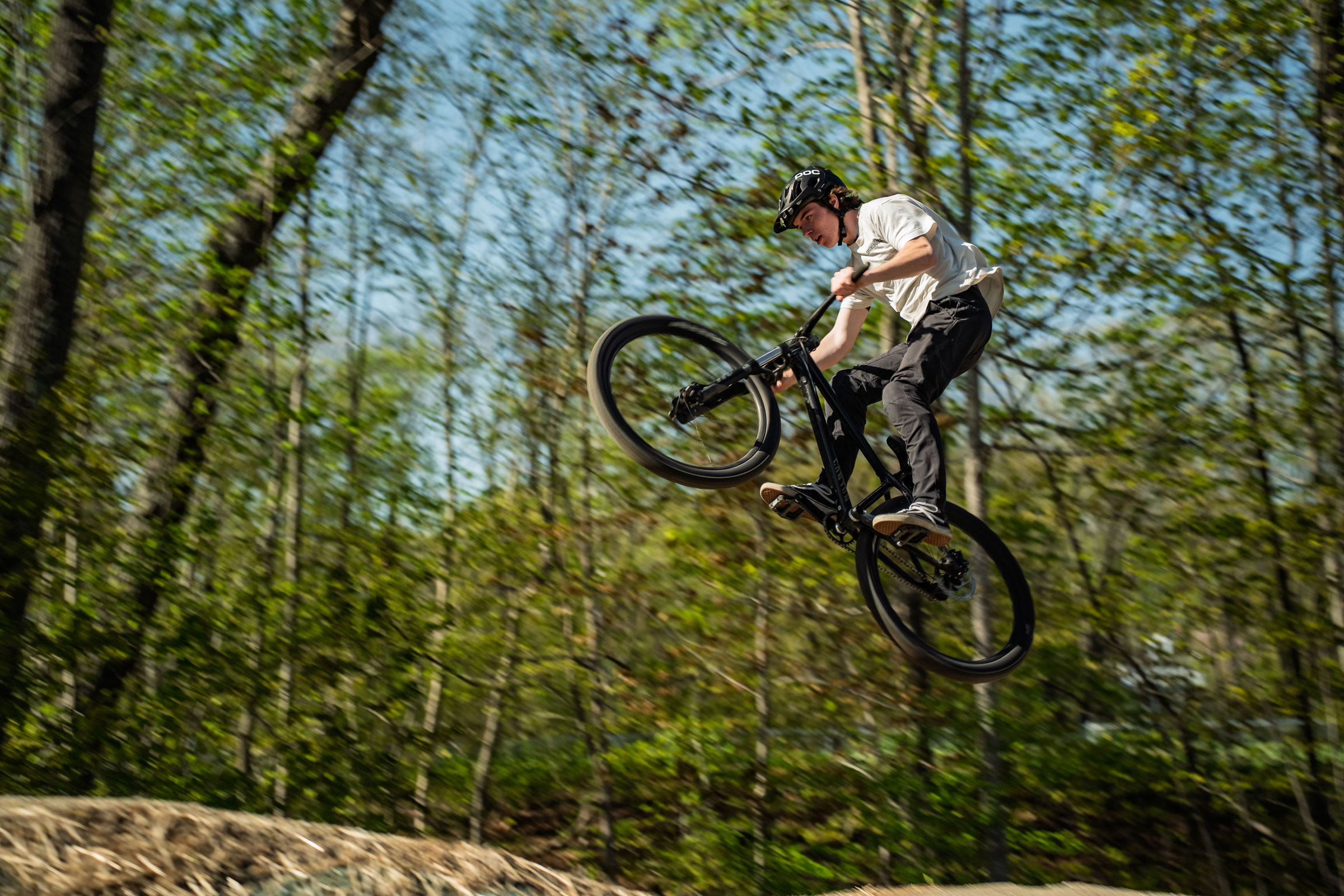
Portland’s first public bike park opened in May 2025. “It’s been wildly successful,” says Troy Moon, sustainability director for the city. “It’s really popular with people of all ages, bringing intergenerational groups together to enjoy an outdoor bike park,” Moon says.
The two-acre bike park is part of greater Riverton Trolley Park, itself 20 acres and a gem in the Riverton neighborhood of Portland that was long underutilized, says Ethan Hipple, director of the parks, recreation and facilities department. The area was first used by Maine’s Indigenous communities for fishing before becoming a site for a corn canning factory and then a lively amusement park at the end of a historic trolley line, according to the Portland Park Conservancy.
It was a bustling area for many years before more recently being known as a relatively undeveloped park with a few walking trails, Hipple says. “They built this park that had everything—a riverside amphitheater, casino, roller coasters, petting zoos. That existed for about 50 years, and then the automobiles came and the trolley lines went out of business.”
Hipple says the parks department started taking a more serious look at the park about five years ago, knowing it could offer more for the residential neighborhood than was there. After a series of community sessions, they learned that residents did love and want to see the walking trails improved, and many people also wanted to see a dedicated bike park, as the area has a large community of cyclists and mountain bikers. “There are a lot of people here who want to be outside; they value the outdoors. This is a place they can go to gather and connect.”
Rather than being hidden in a back corner of the park where no one could see it, this puts it front and center.
After a federal grant through the Land and Water Conservation Fund, fundraising with the Portland Parks Conservancy, and city funding, the department had $500,000 to improve walking trails and the parking lot, provide new signage, and open a dedicated bike park. They worked with Maine Trail Builders to design the course.
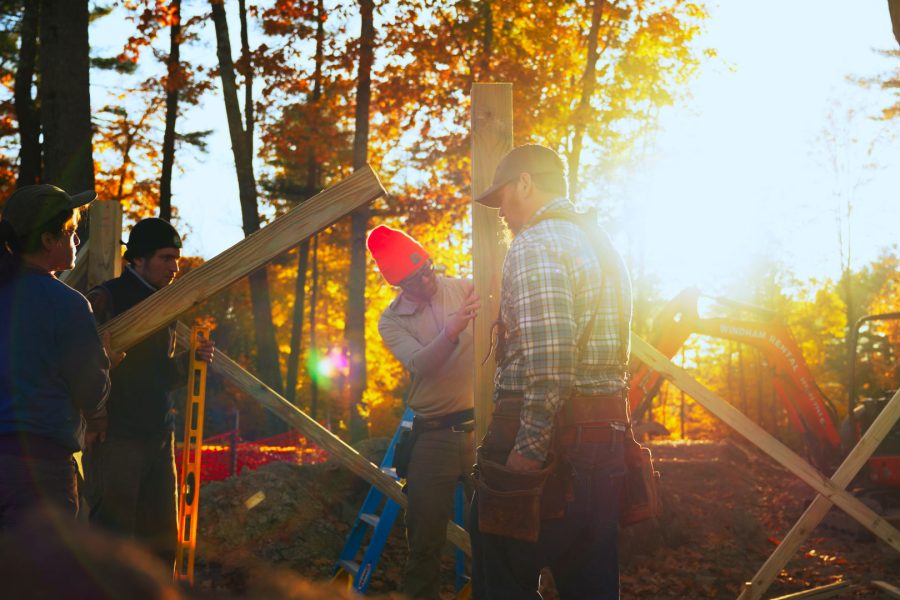
Photo courtesy of City of Portland
The bike park is situated closer to the road in an area that took advantage of some of the natural terrain and flow with dips and gullies. “We felt it was cool that it was visible from the road,” Hipple says. “Rather than being hidden in a back corner of the park where no one could see it, this puts it front and center so when people are driving by they notice it’s there. That helped lead to its popularity.”
Like a lot of cities, Portland has put a lot of expensive infrastructure in parks for organized sports over the years, from soccer fields and baseball diamonds to basketball and tennis courts. Hipple says developments like these don’t require anyone to be part of a group to enjoy participating. “We’re starting to focus more on amenities that kids and adults can use outside of being part of an organized sport. They can be used any time; no adults required.”
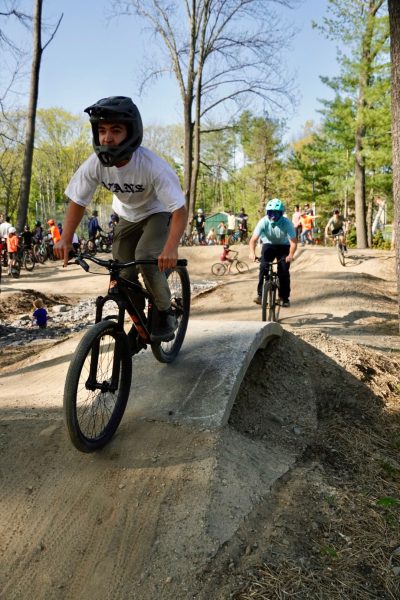
Photo courtesy of City of Portland
Riverton Trolley Bike Park is in a largely residential neighborhood that’s also in close proximity to a skate park, a homeless shelter, low-income housing, and a number of breweries. “It’s a really interesting mix,” Hipple says, adding that the breweries even brewed custom beers to raise funds for the park. He says the diverse nature of the area has contributed to at least a fivefold increase in park use. While the area used to have just a trickle of dog walkers, now people are there every day—walking, biking, or just hanging out.
Similarly, Hipple recalls when the parks department expanded the Portland Skatepark a few years ago, doubling its size. “It was so popular. When we held our grand opening a few of the skaters spoke about how it was less of a sport and more of a gathering spot; I think some of them called it their dojo. It’s where they go to practice and be with each other. It’s a safe space. The bike park has become that for a part of the community as well.”
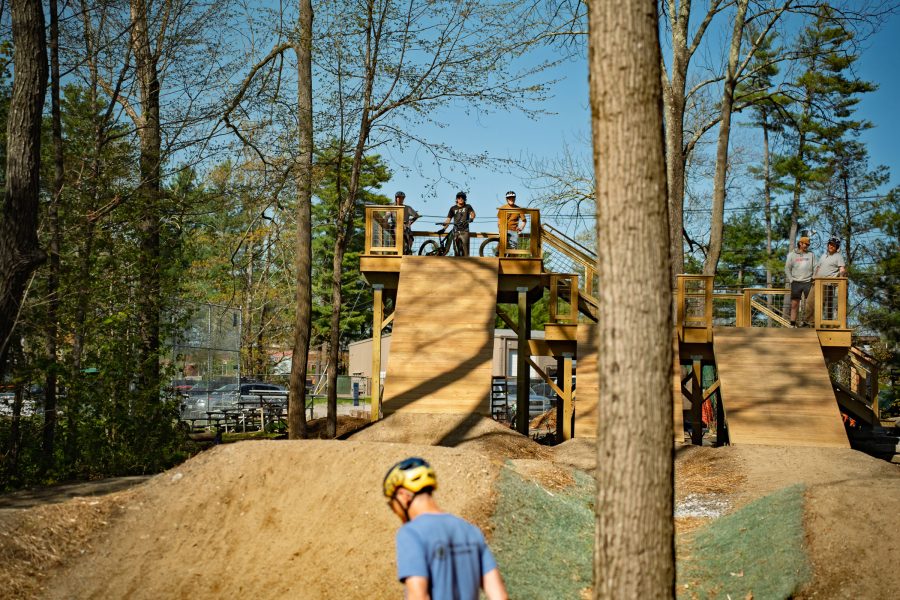
Photo courtesy of City of Portland